Deer Embroidery,10 Formats Review
As an embroidery designer who spends half my life staring at hoop frames and the other half trying to figure out which thread color pops against charcoal fleece, I am always on the hunt for designs that balance aesthetic charm with technical reliability. When I first encountered Deer Embroidery,10 Formats on Creative Fabrica, it caught my eye not just for its subject matter, but for its versatility across formats. For anyone looking to build a cohesive collection of boutique apparel or seasonal merchandise, understanding how a single design translates across different garments is crucial.
This review breaks down how this specific digital embroidery file might perform in a real-world production environment, particularly for those of us creating custom apparel for small shops, Etsy sellers, and handmade businesses. We will look at its visual personality, practical application on various fabrics, and the technical considerations every embroiderer needs to keep in mind before hitting the start button.
First Impressions: Visual Personality and Mood
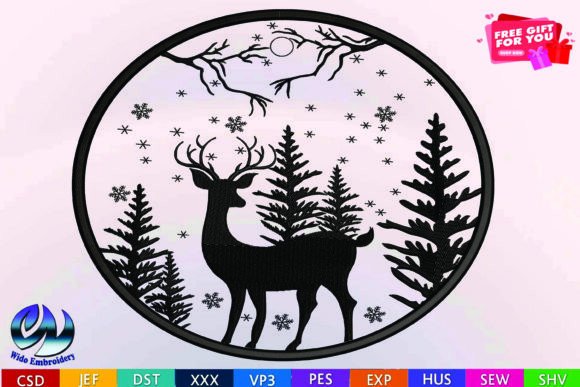
The deer motif is a staple in the world of rustic and nature-inspired fashion, but execution varies wildly. From what I can gather from the product description and standard industry expectations for a "logo applique" style design, Deer Embroidery,10 Formats leans toward a clean, graphic aesthetic rather than a highly detailed, photorealistic approach. This is actually a significant advantage for machine embroidery, especially on textured fabrics like sweatshirt fleece or denim.
In terms of visual mood, the design feels classic yet trendy. It strikes a balance between cute and bold, making it suitable for a wide demographic. Whether you are aiming for a feminine, soft look on pastel hoodies or a rugged, outdoorsy vibe on dark apparel, the simplicity of the deer silhouette allows it to adapt well. The fact that it is described as a logo applique suggests it has strong outlines and defined shapes, which helps prevent the "mushy" look that can happen when stitch density is too high on thick fabrics.
For winter-themed collections, this design fits perfectly. It evokes the cozy, cabin-in-the-woods feeling that drives sales during colder months. However, because the format list includes standard machine files (PES, JEF, DST, etc.), the design likely prioritizes stitch efficiency over intricate shading, ensuring it remains crisp even when embroidered quickly.
Application on Boutique Apparel and Accessories
One of the strongest selling points of Deer Embroidery,10 Formats is its scalability and placement flexibility. As a designer planning a sweatshirt collection, I look for designs that work in multiple locations without losing their impact. Here is how this design could translate across various products:
- Sweatshirt Embroidery: This is the primary use case. On a neutral gray or cream sweatshirt, the deer design would serve as a perfect chest placement. The clean lines ensure it doesn't get lost in the fabric texture. It also works beautifully as a back design for oversized garments, where the larger canvas allows the design to breathe.
- Hoodie Design: For hoodies, this design is versatile. A smaller version on the sleeve adds a subtle, premium touch that appeals to younger demographics. Alternatively, centering it on the front creates a statement piece that feels like a branded lifestyle product.
- T-Shirt Embroidery: While t-shirts are less common for heavy embroidery due to fabric weight, this design’s moderate size (noted as 3.5 inches in some contexts) makes it ideal for lightweight cotton tees. It adds a tactile element that prints cannot replicate, elevating a basic tee into a boutique item.
- Tote Bag Design: Canvas totes are another excellent candidate. The durability of the embroidery will stand up to daily use, and the deer motif appeals to customers looking for functional yet stylish accessories. It pairs well with natural jute or sturdy cotton bags.
- Denim Jackets: For a more rugged look, embroidering this on the back of a denim jacket creates a vintage-inspired piece. The contrast between the stiff denim and the soft embroidery threads adds visual interest.
Technical Performance and Stitch Density
When reviewing any embroidery file, I always consider the stitch density and how it interacts with the fabric. The product description mentions a size of approximately 3.5 inches. This is a manageable hoop size for most home and commercial machines, allowing for quick turnaround times.
However, working with fleece and knit fabrics requires caution. These materials stretch, and if the stitch density is too high, the fabric can pucker or distort. A design described as a "logo applique" typically uses fewer fill stitches and more satin stitches for outlines, which is generally safer for stretchy fabrics. Still, it is essential to test the design on scrap fabric that matches your final garment material. If the design relies heavily on dense fills, you may need to stabilize the area more aggressively or reduce the density in your digitizing software if possible.
The availability of 10 formats—including PES, SEW, XXX, JEF, DST, EXP, HUS, PEC, CND, and VP3—means compatibility is rarely an issue. Whether you are using a Brother, Janome, Tajima, or Bernina machine, you can find the correct file type. This multi-format support is invaluable for decorators who service multiple clients with different equipment.
Thread Color and Contrast
The success of Deer Embroidery,10 Formats will largely depend on your choice of thread colors. For a rustic look, earth tones like olive green, burnt orange, or warm browns work well against natural or dark backgrounds. For a softer, modern aesthetic, try blush pink, slate blue, or heather gray threads on lighter garments. High contrast is key; avoid using light beige thread on white fabric unless the design has very distinct details.
Practical Designer Notes for Production
Before adding this design to your commercial inventory, there are several practical steps to ensure professional results:
- Test on Scrap Fabric: Always run a test sample on the exact fabric you plan to use. Check for puckering, thread breaks, or misalignment.
- Check Stabilizer Choice: For sweatshirts and hoodies, a cut-away stabilizer is usually recommended to maintain stability during washing and wear. Tear-away may suffice for lightweight t-shirts, but be cautious.
- Confirm Hoop Size: Ensure your machine’s hoop can accommodate the 3.5-inch width plus any necessary margins for hooping the garment securely.
- Review Licensing: Since this is a digital embroidery file purchased from Creative Fabrica, verify the licensing terms regarding commercial use. Most such platforms allow for limited commercial sales of finished goods, but it is critical to confirm this to protect your Etsy seller or small shop business.
- Inspect Stitch Quality: Look closely at the digitization for any loose ends or unnecessary jumps. A clean finish enhances brand identity and customer trust.
Impact on Brand Identity and Sales
Using a high-quality, versatile design like Deer Embroidery,10 Formats can significantly enhance your boutique brand presence. Consistent, professional embroidery signals quality to buyers. When customers see a well-executed design on a soft, comfortable garment, they are more likely to perceive value in the product.
Furthermore, this design lends itself well to printable mockups and social media graphics. You can create lifestyle product photos by placing the design on various colored hoodies and sweatshirts, showcasing its versatility. This visual consistency helps in building recognition among your target audience, whether they are browsing Etsy, Instagram, or your own website.
Where to Use Carefully
While this design is versatile, there are areas where it may require extra attention:
- Small Chest Placement: If scaling down for a tiny left-chest logo, ensure the details remain legible. Very small text or fine lines may become indistinct.
- Dense Stitch Areas: Avoid placing dense sections directly over seams, zippers, or ribbed cuffs, as these areas have uneven surfaces that can cause stitching errors.
- Dark Garments: When embroidering on black or navy, use high-contrast thread colors. Dark-on-dark embroidery often lacks definition unless the design has raised textures or metallic threads.
- Curved Surfaces: Embroidering on curved areas like shoulders or sleeves requires careful hooping techniques to prevent distortion. Consider using a specialized hoop or adhesive spray to secure the fabric.
Conclusion
Deer Embroidery,10 Formats appears to be a solid addition to any designer’s library, particularly for those focusing on winter apparel and rustic-themed collections. Its multi-format support and adaptable design make it a practical choice for commercial embroidery projects. By paying attention to fabric selection, stabilizer choice, and thread contrast, you can create beautiful, marketable products that resonate with customers looking for unique, handmade-style goods. Whether you are an experienced embroiderer or just starting your journey in the handmade product space, this design offers a reliable foundation for creating memorable boutique merchandise.