Coquette Flamingo Embroidery Design Review
As a designer who regularly evaluates machine embroidery designs for real-world application, I always look for the balance between visual charm and practicality. The Coquette Flamingo Embroidery Design caught my attention not just because of its whimsical name or tropical theme, but because it immediately feels like something that could elevate a wide range of projects—from casual custom apparel to curated handmade gifts.
A First Glance: Style Meets Versatility
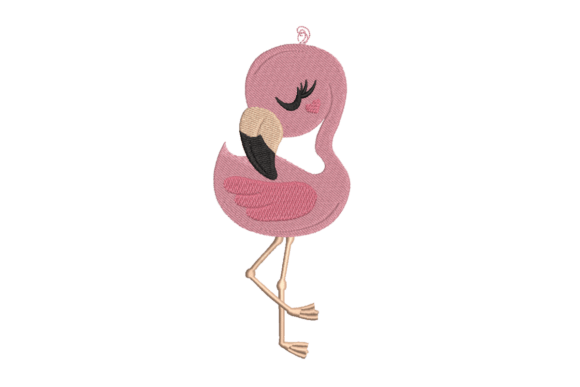
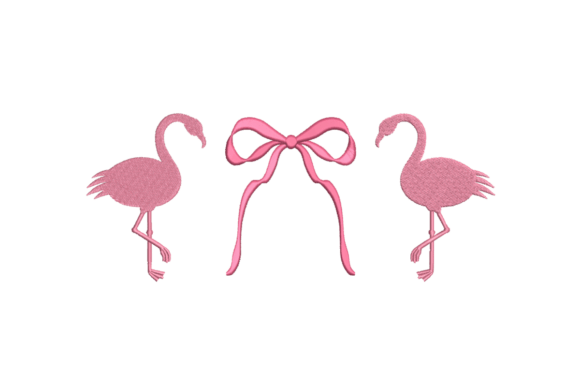
At first glance, the Coquette Flamingo design exudes a playful yet sophisticated vibe. It’s not your typical cartoon flamingo; this one has a stylish silhouette with elegant curves and a sense of movement that makes it feel more fashion-forward than novelty. The color palette is warm and inviting, featuring soft pinks, coral, and hints of gold thread that suggest a summery aesthetic without being overly seasonal.
The layout is balanced, with enough detail to stand out without overwhelming the fabric. Its shape lends itself well to both front-and-center placement and as an accent in the corner of a piece. This kind of adaptability is rare in many embroidery files and is a strong indicator of thoughtful design.
What Kind of Project Does It Belong To?
- Tote bag design: The size and flow of the flamingo make it perfect for a large canvas like a tote. It can be positioned at the top for a statement look or centered for maximum impact.
- Sweatshirt embroidery: The design adds a touch of fun without being childish. Ideal for boutique collections targeting adults with a love for vintage-inspired style.
- Baby clothes or nursery decor: With a gentle, non-aggressive presence, the flamingo could work subtly on a onesie or boldly on a pillow cover, depending on how you choose to stitch it.
- Embroidered patches: If resized properly, the design would translate beautifully into a patch format, especially for denim jackets or bags.
Real-World Application: What Works and What Doesn’t
When evaluating any machine embroidery design, I test it across different use cases. Let’s say I’m preparing a batch of custom embroidered tea towels for a client’s summer-themed line. The Coquette Flamingo would add a pop of personality that’s both eye-catching and tasteful. But if I were stitching it onto a stretchy cotton/spandex blend for a sweatshirt, I’d need to adjust the settings and consider the fabric’s behavior during washing and wearing.
Where This Design Shines
- Custom Apparel: On t-shirts, hoodies, and even aprons, the flamingo brings a charming focal point. The detail level is high enough to show quality craftsmanship when stitched correctly.
- Home Decor Projects: Think kitchen towels, pillow covers, or even decorative wall hangings. The design works well with satin stitch outlines and fill stitch backgrounds, which can be adjusted depending on the texture of the fabric.
- Handmade Products and Personalized Gifts: As a gift item, the flamingo adds a personal touch. Whether it’s a holiday gift or a wedding favor, the design feels intentional and memorable.
- Craft Business and Etsy Listings: For small shop owners and digital product sellers, the embroidery file offers excellent branding potential. Its distinct look can help products stand out in competitive markets like craft fairs or online shops.
Use with Caution
- Small Hoop Sizes: The design includes some fine details that might get lost or distorted if forced into a smaller hoop. Always check the recommended hoop size—if not provided, start with a mid-sized one and resize cautiously.
- Textured Fabrics: On linen, flannel, or other napped fabrics, the stitch clarity may diminish unless proper stabilizer is used. A tear-away or cut-away stabilizer is essential here.
- Thin or Stretchy Materials: Delicate fabrics like rayon or jersey require extra care to avoid puckering or distortion. Lowering stitch density and using a stabilizer underneath can help maintain shape and integrity.
- Dark Fabric Backgrounds: While the colors are vibrant, the contrast may weaken on darker materials. Consider using white or light-colored threads for visibility, or opt for a black background mockup before committing to production.
- Curved Surfaces: Like caps or curved parts of garments, the design should be tested for distortion. Resizing and adjusting the placement will be key to achieving a natural look.
Design Impact: Visual Appeal and Market Value
One of the most important aspects of a successful embroidery project is how the finished product affects customer perception. The Coquette Flamingo brings a sense of whimsy and modern elegance that can appeal to a broad audience. It enhances the product value by adding a handcrafted element that signals attention to detail and creativity.
In terms of handmade presentation, the design helps establish brand consistency, especially for those who specialize in personalized items. Customers trust the quality of a design that looks clean and professional after stitching. It also improves giftability, making it suitable for baby showers, birthdays, or even as part of a summer collection.
Professionalism and Recognition
Using the Coquette Flamingo in commercial embroidery requires confidence. The design is versatile enough to work in both personal and commercial projects, but only if executed with precision. Stitch alignment, thread tension, and fabric choice all play a role in ensuring the final product looks polished and cohesive.
For Etsy sellers and small shop product creators, this design can become a signature element. When customers see the same motif across multiple items (like tea towels, totes, and aprons), it builds recognition and reinforces your creative identity.
Designer Notes: Practical Tips Before You Stitch
Before using the Coquette Flamingo Embroidery Design in your next project, keep these tips in mind:
- Test on Scrap Fabric: Especially if you’re new to the design or planning to use it on a unique material. This lets you catch issues early and tweak settings if needed.
- Check Thread Color Contrast: Make sure the chosen colors stand out against your fabric. Sometimes a subtle shift in hue can dramatically affect visibility.
- Review Stitch Density: Dense areas may cause puckering or stiffness. Adjust accordingly for comfort and aesthetics.
- Confirm Hoop Size: If the original product description doesn’t specify, test the design on several sizes to find the optimal fit for your intended use.
- Inspect Small Details: Look closely at elements like beaks, feathers, or any delicate features. These can easily misalign if not handled carefully.
- Test in Black and White: This helps determine whether the design relies too much on color for visual impact. It’s a good way to ensure it remains appealing even in grayscale previews or photos.
- Compare Light and Dark Backgrounds: Not all designs perform equally well on every fabric. Testing ensures your final product maintains its charm regardless of the base material.
- Use Proper Stabilizer: Especially for thin, stretchy, or textured fabrics. A good stabilizer prevents shifting and keeps stitches crisp.
- Confirm Licensing Terms: If you plan to sell finished products or digital embroidery files, verify whether the design allows for commercial use. Some designs have restrictions that limit their marketability.
Final Thoughts from a Designer’s Perspective
The Coquette Flamingo Embroidery Design is a standout option for anyone looking to add a stylish, summer-ready touch to their creations. It’s not just about the flamingo itself—it’s about the mood it sets, the confidence it brings to a product, and the way it invites engagement from customers.
However, like any design worth investing in, it needs careful handling. From choosing the right thread colors to considering fabric suitability, there are many variables to account for. But once those are managed, the result is a piece that feels both special and attainable—a perfect blend of artistry and function for today’s creative entrepreneurs.
If you’re an embroidery designer, apparel decorator, or someone building a craft business, take the time to explore what this design can do for your portfolio. It might just become one of your go-to design assets for the warmer months—or beyond.