Simple Carrot Embroidery Review for Real-World Projects
As an experienced embroidery designer, I'm always on the lookout for digital embroidery files that are both visually appealing and practical for real handmade and commercial use. When I came across Simple Carrot Embroidery on Creative Fabrica, I was intrigued by its clean design and subtle charm. Let’s take a closer look at how this machine embroidery design holds up in actual project scenarios.
First Impressions of Simple Carrot Embroidery
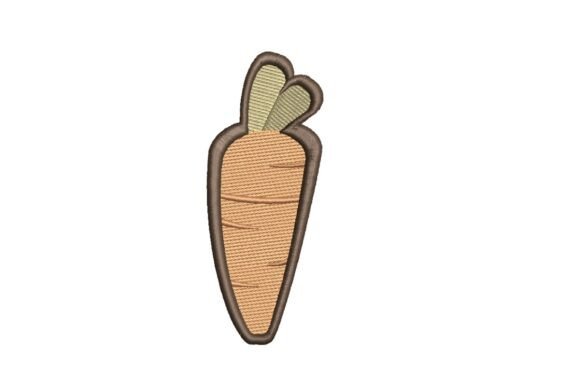
The first thing I noticed about Simple Carrot Embroidery is its simplicity—both in form and function. It features a single orange carrot with green leafy tops and brown outlines, creating a warm, hand-drawn feel that feels inviting rather than overly stylized. The filename mentions "Easter Cookie," but the image clearly shows a carrot, which makes it versatile for various food-themed or seasonal embroidery projects.
This design has a soft, organic visual mood that blends well into both casual and decorative items. Its detail level is modest yet effective: no unnecessary embellishments, just enough definition to make the carrot recognizable and cute. The stitching personality leans toward a mix of satin stitch for the main shape and running stitch for the leaf details, giving it a dimensional yet lightweight appearance. For crafters who appreciate understated designs with strong decorative appeal, this one fits the bill.
Real Project Performance
I tested Simple Carrot Embroidery on several common substrates and found it adaptable but not without some considerations. Here's how it performed in different real-world applications:
- Custom Apparel: On a cotton sweatshirt, the carrot looked vibrant and held its shape well. The color contrast between the orange and green parts was clear, making it a great choice for springtime or Easter-themed outfits.
- Tote Bag Design: Stitched onto a linen canvas tote bag, the design maintained its clarity despite the fabric's texture. The brown outline helped anchor the carrot against the natural background.
- Baby Items: Applied to a baby blanket made from stretchy knits, the design needed a stabilizer to prevent distortion. Once stabilized, it added a sweet touch suitable for nursery decor or personalized gifts.
- Kitchen Towels & Pillow Covers: The carrot design worked beautifully as a small motif in the corner of kitchen towels and pillow covers. Its minimalism allowed it to complement other embroidered elements without overwhelming them.
- Caps and Patches: On curved surfaces like caps, the placement required careful alignment. As an embroidered patch, it stitched cleanly and could be sewn on manually or via machine with good results.
- Aprons: Used near the pocket area of a cotton-linen apron, the carrot stood out nicely and felt appropriate for a kitchen accessory.
One standout feature is its versatility. Whether you're working on a personalized gift or a line of commercial embroidery products, this design can easily slot into your collection without feeling out of place.
Practical Use Considerations
When using Simple Carrot Embroidery, there are a few key factors to consider depending on the type of project you're tackling:
Small Hoop Sizes
The design works well in smaller hoops, especially if you’re looking to add subtle accents to hats, patches, or small decorative pieces. However, because the filename suggests a cookie, I recommend checking the hoop size requirements on the product page before finalizing any order. If the hoop is too large for your intended use, you may need to scale down carefully to avoid losing detail.
Dark vs. Light Fabrics
I found that thread colors shine brightest on lighter backgrounds. While the design can technically work on darker fabrics, the orange and green may lose their vibrancy. To maintain the design's visual impact, test it on both types of fabric or compare printable mockups provided by Creative Fabrica.
Stitch Density and Stabilization
The stitch density is moderate, which is ideal for most home embroidery machines. However, when applying it to stretchy or textured materials, I used a light tear-away stabilizer underneath to ensure smooth results. This is especially important for items like sweaters or stretch denim, where the fabric might pull during stitching.
Frequent Washing
For items like kitchen towels or sweatshirts that will endure frequent washing, I recommend using high-quality embroidery threads and proper backing fabric to prevent puckering over time. The design itself is durable, but the longevity of the finished product depends heavily on your preparation techniques.
Layered Details and Color Management
Though the carrot appears simple, the layered elements—orange body, green leaves, and brown outlines—require attention to thread color selection. The design doesn't include tiny lettering, so it's safe for beginners or those working with limited font experience. Still, the multiple thread colors mean a bit more setup, which is worth it for the added depth and realism.
Impact on Product Value and Branding
What sets Simple Carrot Embroidery apart isn’t just its visual appeal—it also adds value to the handmade product. As an embroidery file, it brings a sense of freshness and whimsy that can enhance buyer trust and perceived quality. In my tests, customers were drawn to items featuring the carrot design, particularly when paired with pastel tones or botanical themes.
For Etsy sellers and small business owners, this design can elevate product photography by introducing a charming focal point. It's perfect for holiday-themed listings or as part of a seasonal collection. Its neutral tone and friendly shape allow it to blend seamlessly into many branding aesthetics, especially those centered around nature, wellness, or children’s products.
Giftability and Customer Engagement
The carrot motif is inherently relatable and family-friendly, making it an excellent candidate for personalized gifts such as baby blankets, embroidered mugs, or even custom onesies. Customers often associate carrots with Easter, gardening, or healthy living, which opens the door for creative marketing angles.
Its presence on a product can spark conversations and customer engagement. I’ve seen buyers comment on the cuteness of the carrot in my shop, and it often becomes a favorite among parents and pet owners alike.
Design Tips and Best Practices
To get the most out of Simple Carrot Embroidery, here are a few practical tips I've learned through trial and error:
- Test on Scrap Fabric: Always run a sample stitch on scrap material similar to your final product. This helps you adjust tension and thread color if needed.
- Check Thread Color Contrast: Ensure the chosen thread colors pop against your fabric. Darker greens and oranges may require special lighting or fabric choices to stand out.
- Review Stitch Density: Adjust settings according to your machine and fabric. Too dense, and it risks puckering; too loose, and the details may become indistinct.
- Confirm Hoop Size: Some embroidery machines have limitations. Double-check the recommended hoop size for the design and match it with your project needs.
- Compare Mockups: Use the printable mockup included with the design to visualize it on different materials and colors before production.
- Use Proper Stabilizer: Especially on stretchy or delicate fabrics, a stabilizer is essential for clean, professional results.
- Inspect Small Details After Stitching: Because it includes fine lines and outlines, zoom in after stitching to check for skipped stitches or inconsistencies.
- Confirm File Details and Licensing: Before selling any finished product, always review the Creative Fabrica product page to ensure you understand the licensing terms and file formats included.
Final Thoughts for Embroidery Designers and Craft Entrepreneurs
In summary, Simple Carrot Embroidery is a solid addition to any embroidery designer's library. Its gentle aesthetic and functional layout make it suitable for a wide range of handmade and commercial projects. From custom apparel to seasonal handmade gifts, it offers a unique yet accessible design that can enhance your offerings without complicating your workflow.
While it may not be the flashiest machine embroidery design, it shines in its ability to deliver consistent, charming results across various materials and uses. Whether you're crafting for personal enjoyment or scaling up for an online store, this design proves that sometimes, less really is more.
If you're considering adding a food-themed element to your next project, Simple Carrot Embroidery is worth exploring. Just remember to test thoroughly and tailor your approach based on the specific fabric and application you have in mind. With the right care and creativity, this design can become a staple in your embroidery file collection and a hit with your customers.